2026 Ford Transit

Transit Cargo Van

America's best-selling commercial van for over a decade. Three roof heights, three body types, two wheelbase options, and more upfit compatibility than any van in its class. When a truck bed isn't the right tool, the Transit is.

487
Max Cargo (cu ft)
4,650
Max Payload (lbs)
3
Roof Heights
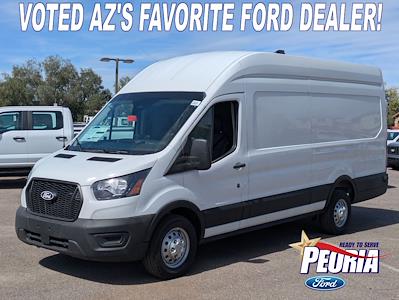
2026 Ford Transit 350 HD cargo van for commercial upfit
Key Specifications

More Van Than Any Competitor Offers

The Transit's combination of cargo volume, payload capacity, roof height options, and upfit ecosystem makes it the default commercial van for fleets across every industry. No other van in America matches its configuration range.

Max Cargo Volume
487 cu ft
High Roof, Extended length
Max Payload
4,650 lbs
Transit 350 HD configuration
Roof Heights
3 Options
Low, Medium, High
Wheelbase Options
2 Options
Regular (130") or Extended (148")
Body Types
3 Types
Cargo, Passenger, Crew
Engine Options
Gas & Diesel
3.5L EcoBoost V6 or 2.0L diesel
Cargo Length
Up to 13.2'
Extended wheelbase interior
Upfit Ready
Yes
Ford Upfit Integration Program
Roof Heights

The Right Roof for Your Operation

Roof height is the most important Transit configuration decision. It determines interior standing height, cargo volume, shelving system compatibility, and whether your drivers can work standing up inside the van.

Low Roof
Exterior: 82.0"
Interior Height56.7"
Cargo VolumeUp to 247 cu ft
Fits Parking GarageYes
Stand UprightNo

Best for delivery and courier operations where drivers rarely work inside the van. Fits standard parking structures and residential garages. Lowest operating cost of the three roof options.

Medium Roof
Exterior: 100.8"
Interior Height72.0"
Cargo VolumeUp to 319 cu ft
Fits Parking GarageMost (check 7')
Stand UprightMost drivers (under 6')

The middle-ground option for operations where drivers occasionally work inside. Fits most parking structures with 7-foot clearance. Popular for plumbing, HVAC, and electrical service vans.

High Roof
Exterior: 110.1"
Interior Height81.5"
Cargo VolumeUp to 487 cu ft
Fits Parking GarageLimited (9'+ needed)
Stand UprightYes โ€” all drivers

The standard choice for mobile workshops, medical equipment, and any operation where technicians work standing inside the van. Maximum cargo volume and shelving height. Requires 9'+ clearance for parking structures.

Body Types & Configurations

Cargo, Passenger, or Crew

The Transit comes in three distinct body types, each serving a different commercial purpose. Choosing the right body type is as important as choosing the right roof height.

Cargo Van

Solid partition behind the front seats, full cargo area from partition to rear doors. The primary commercial configuration for delivery, service, and trade operations.

  • Maximum usable cargo volume
  • Compatible with all shelving and upfit systems
  • Available in all three roof heights
  • Regular and Extended wheelbase
  • Most popular Transit configuration for fleets
Passenger Van

Seating for up to 15 passengers with windows throughout. The commercial shuttle and transport solution when you need to move people, not cargo.

  • Up to 15-passenger seating capacity
  • Available in Medium and High roof
  • ADA-accessible configurations available
  • Common for hotel shuttles, church transport, charters
  • Fold-flat rear seats for occasional cargo use
Crew Van

Front seating for up to 5 with a cargo partition and full cargo area behind. The right configuration when you need to transport both a crew and their gear.

  • 5-passenger front seating area
  • Full cargo area behind bulkhead
  • Available in all three roof heights
  • Popular for construction and utility crews
  • Best of both configurations in one van
Powertrain

Engine Options

The Transit offers two engines for different operational needs โ€” a proven turbocharged gas V6 and a fuel-efficient diesel four-cylinder. Both are paired with Ford's 10-speed automatic transmission.

3.5L EcoBoost V6
Turbocharged Gasoline
310 hp
Horsepower
400 lb-ft
Torque

The 3.5L EcoBoost is the dominant engine choice for Transit fleets. It delivers strong performance across the full payload range, runs on regular unleaded, and has no diesel emissions system complexity. The right choice for most commercial cargo and service van applications. Available on all Transit configurations.

2.0L EcoBlue Diesel
Turbocharged Diesel
170 hp
Horsepower
295 lb-ft
Torque

The 2.0L diesel delivers significantly better fuel economy than the gas engine โ€” the deciding factor for high-mileage fleet operations. At 50,000+ miles per year, the diesel's fuel savings more than offset its higher upfront cost. The right choice for long-route delivery, regional courier, and high-utilization service fleets.

Industries & Applications

Who Runs the Transit

The Transit is the commercial van across more industries than any other vehicle in its category. If your operation moves goods or people in an enclosed van, the Transit is almost certainly the right platform.

๐Ÿ“ฆ
Last-Mile Delivery
The dominant platform for Amazon, FedEx, UPS, and independent last-mile carriers. High Roof Extended holds more packages per route than any competing van.
๐Ÿ”ง
Mobile Service
Plumbing, HVAC, electrical, and appliance repair. Shelved High Roof cargo van carries a full parts inventory and lets technicians work standing up at the job site.
๐Ÿฅ
Medical & Mobile Health
Mobile diagnostic units, medical supply vans, and patient transport. The High Roof provides the standing height required for medical equipment and procedures.
๐ŸšŒ
Shuttle & Transport
Hotel, airport, and corporate shuttle operations. The Passenger Van configuration seats up to 15 with the ride quality and reliability corporate clients expect.
๐Ÿ› ๏ธ
Mobile Workshop
Glass repair, locksmith, IT field service, and specialty trades. The High Roof Cargo Van converts into a fully functional workshop with proper shelving and work surface upfits.
๐Ÿงน
Cleaning & Restoration
Commercial cleaning, carpet cleaning, and restoration services. Equipment fits in the Low or Medium Roof cargo van with room for supplies and a crew of two.

Choosing the Right Transit Configuration

The Transit's configuration matrix โ€” three roof heights, two wheelbases, three body types, and two engines โ€” means there are dozens of possible combinations. The right starting point is always the same: what does your driver do inside the van, and how much does your typical load weigh and occupy in volume?

Drivers who stay in the cab and make frequent stops (delivery, courier) โ†’ Low Roof Regular or Extended. Technicians who need to access parts and work standing up โ†’ High Roof with shelving. Crews that need seating plus gear โ†’ Crew Van in Medium or High Roof. Passenger transport โ†’ Passenger Van in Medium or High Roof.

Upfit & Shelving Systems

Adrian Steel

Adrian Steel is one of the most widely used Transit upfitters, offering shelving, drawer units, ladder racks, and partition systems designed specifically for Transit dimensions. Their modular shelving systems are standard in HVAC, electrical, and plumbing service fleets.

Ranger Design

Ranger Design specializes in aluminum shelving and van storage systems optimized for the Transit High Roof. Their systems maximize vertical storage in the High Roof cargo area and are popular in telecom, IT, and medical supply applications.

Ford Upfit Integration Program

Ford's Upfit Integration Program (UIP) allows authorized upfitters to install bodies and equipment with full Ford warranty coverage maintained. This program covers shelving, partitions, ladder racks, refrigeration units, and specialty builds. Peoria Ford coordinates UIP upfits for fleet orders.

Refrigerated & Temperature-Controlled

The Transit is a common platform for refrigerated van conversions serving food service, pharmaceutical, and floral delivery operations. Thermo King, Carrier, and eSpar offer Transit-specific refrigeration units for the Medium and High Roof cargo van.

Transit vs Sprinter: The Comparison Every Fleet Manager Makes

The Mercedes-Benz Sprinter is the Transit's primary competitor. Both offer similar roof heights and cargo volumes. The Transit's advantages are dealer network (Ford has nearly 3,000 dealers vs Sprinter's roughly 300 service centers), parts availability, lower upfit cost (more upfitters build for Ford dimensions), and lower total cost of ownership for high-mileage US fleets. The Sprinter's advantage is diesel-only powertrain consistency and a longer established reputation in European-influenced fleet management practices.

For most US commercial fleet operators, the Transit's service network density is the deciding factor โ€” a broken-down van 200 miles from the nearest Sprinter dealer is a different problem than one 5 miles from a Ford dealer.

Fleet Ordering & Pro Power Onboard

The Transit is available with Ford's Pro Power Onboard system โ€” an integrated generator that provides 2.0 kW of exportable power from the van's electrical system. This eliminates the need for a separate generator for power tools, medical equipment, or job site lighting, reducing weight and operating cost for mobile service fleets.

Peoria Ford offers fleet pricing on all Transit configurations with volume discounts for multi-unit orders. National delivery available to all 48 contiguous states. Ford Pro telematics integration available for fleet tracking and diagnostics on qualifying fleet accounts.
Ready to Spec Your Transit?

Tell us your cargo volume, crew size, and intended upfit. We'll match you to the right roof height, wheelbase, and body type โ€” then connect you with live Peoria Ford Transit inventory.